Assessment and Treatment of Complex PTSD and Dissociation in Autistic and ADHD individuals: An Affirming and Integrative approach
This webinar presents a neurodiversity-affirming and integrative framework for the assessment and treatment of Complex Post-Traumatic Stress Disorder and dissociation in Autistic and ADHD individuals. Autistic and ADHD people experience disproportionately high rates of chronic relational trauma, sensory overload, invalidation, bullying, medical harm, and systemic exclusion across the lifespan. These experiences significantly increase vulnerability to Complex PTSD and dissociative responses, yet are frequently misdiagnosed, minimised, or misunderstood within traditional mental health frameworks. This session will explore how trauma and dissociation present differently in autistic and ADHD clients, including responses such as masking, fragmentation, sensory-based dysregulation, and identity-based distress.
Participants will be guided through affirming adaptations to trauma assessment, including history taking, dissociation screening, sensory profiling, attachment formulation, and risk assessment that prioritise safety, consent, predictability, and autonomy. An integrative treatment model will be discussed, drawing on EMDR, Schema Therapy, parts-based approaches, somatic and sensory regulation, and relational interventions, with attention to pacing, interoception, communication differences, and accessibility.
Key clinical tensions will be addressed, including diagnostic overshadowing, therapist bias, internalised ableism, and the risks of inadvertent re-traumatisation through misattuned interventions. This webinar supports clinicians toward genuinely identity-safe, trauma-informed, and neurodiversity-affirming practice.
Learning Objectives
Identify how Complex PTSD and dissociation commonly present in autistic and ADHD individuals, including neurodivergent-specific trauma responses
Apply neurodiversity-affirming adaptations to trauma assessment, including history taking, dissociation screening, sensory profiling, attachment formulation, and risk assessment.
Integrate key elements of an affirming, integrative treatment framework drawing on EMDR, Schema Therapy, parts-based, somatic, sensory, and relational approaches.
Critically reflect on common clinical tensions in this work, including diagnostic overshadowing, therapist bias, internalised ableism, and the risks of inadvertent re-traumatisation in therapy.
GROUP DISCOUNT 3+ for organisations only. Discount calculated at Checkout To purchase your ticket, please so by selecting the number of required tickets, entering your details and adding to cart below. Student tickets: please click below to register for a student account, once registered your discount will be applied at checkout. You must be logged in to purchase.
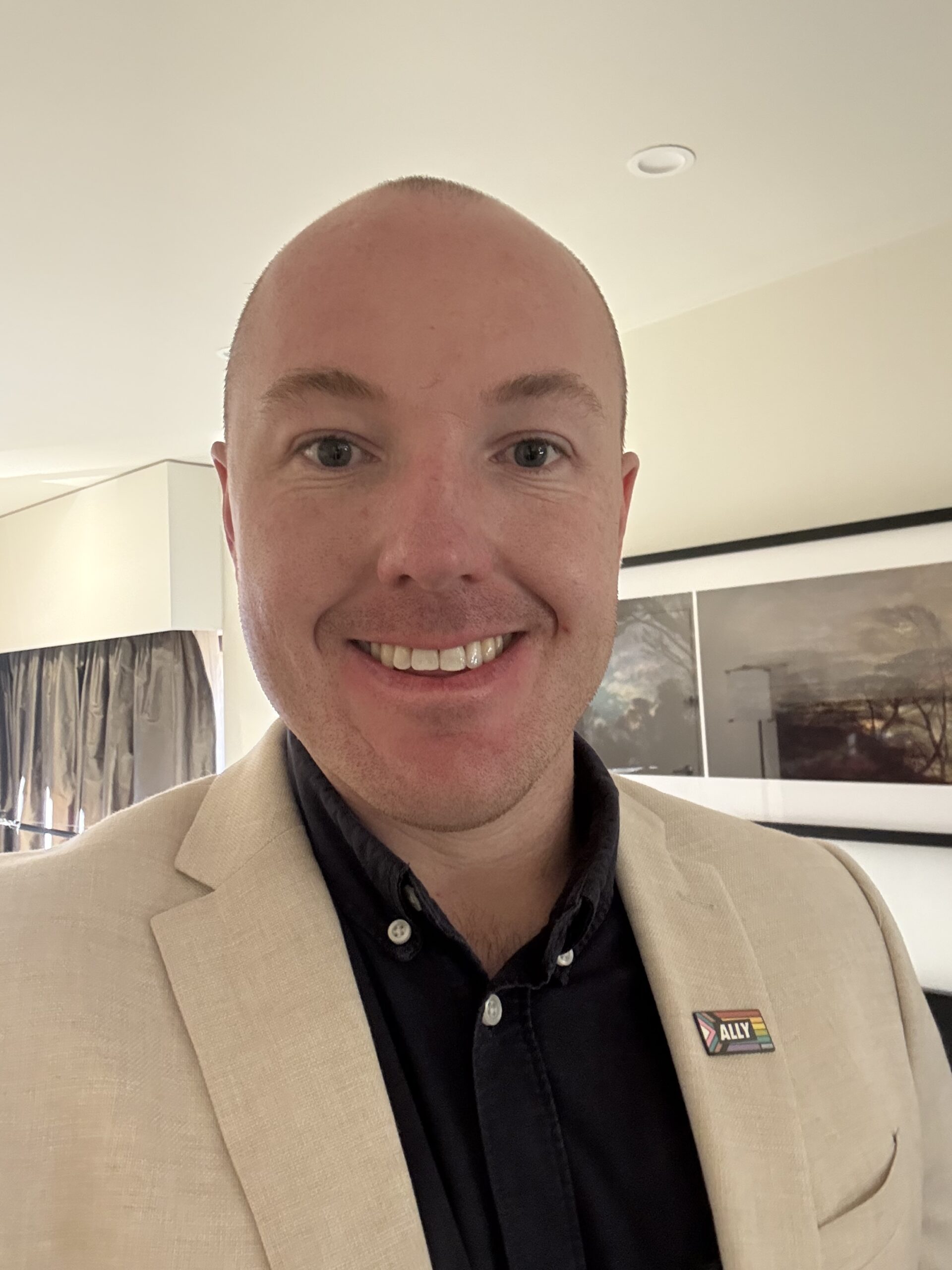
Liam Spicer (he/him) is a Senior Lecturer in Psychology, Psychologist, EMDR Trainer & Consultant, and Accredited ISST Schema Therapist with lived experience of being neurodivergent as an Autistic ADHDer. He is the course co-ordinator for Cairnmillars Postgraduate Certificate in Trauma Informed Care, and delivers EMDR level one training for Psychology Training.
Liam has presented at both International and National conferences including in Europe, the United States, and Asia on the topics of EMDR, Schema Therapy, trauma, grief, Autism and ADHD and has delivered guest webinars and trainings for the EMDR Association of Australia, AAPi, Headspace, APS, and other organisations.
Liam has been a contributor to the Routledge International Handbook of Child and Adolescent Grief, has published in various academic journals including their paper with colleagues on Understanding Early Maladaptive Schemas in Autistic and ADHD individuals which has gained widespread international interest, and is currently apart of Australia’s first working group on developing clinical practice guidelines on MDMA-AP for PTSD.
As a psychologist, he has a special interest in working with trauma, dissociation and grief, and predominantly works with Autistic and ADHD adults through a neuroaffirming lens. He is the director of the Neurodiversity Affirming Therapy Conference Australia and is currently involved in several academic and research projects in this space.