Childhood Trauma, Dissociation, and Neurodivergence: New Evidence from Clinical Samples

This workshop presents emerging research on trauma, dissociation, and neurodiversity. It draws from Dr Mary-Anne Kate’s research program, conducted in collaboration with Dr David Hegarty and Dr Ben Buchanan from NovoPsych, whose platform supplies the de-identified clinical data and whose psychometric expertise informs the conceptual and methodological design of the research. The program examines how childhood adversity and dissociation shape neurodivergent expression in autism and ADHD, and how these mechanisms complicate diagnosis and treatment in trauma-exposed clients.

Analyses from a large clinical dataset (Mika Colbert, co-supervised by Dr Jess Gillies and Dr Mary-Anne Kate) found that emotional and sexual abuse, neglect, and household mental illness predicted elevated autistic traits, particularly among gender-diverse and female clients. These findings suggest that early relational trauma may influence both the expression and clinical recognition of autism. Dr Kate will also present findings from Clinical Evidence for Increased Dissociative Experiences in Adults with High Levels of Autistic Traits led by Katherine Reuben, which found that dissociation was substantially more prevalent among adults with high autistic traits than among those with low traits, with the strongest differences in memory disturbance, self-confusion, and depersonalisation. Together, these studies identify dissociation as both a trauma-related and sensory-cognitive process that may underlie complexity in autistic presentations.

Building on this foundation, Tenarra Campey’s honours research investigates the relationship between dissociation and camouflaging behaviours in individuals with high autistic traits. Preliminary analyses suggest that higher levels of camouflaging co-occur with increased dissociative symptoms, particularly among women and gender-diverse adults, highlighting the psychological cost of sustained masking and the potential for identity fragmentation as an adaptive response to social and sensory demands.

Dr Shalini Watson’s honours research extends these findings to ADHD. Using data from 1,409 adults, her study examined dissociation as a mediator between adverse childhood experiences (ACEs) and ADHD symptomatology. Results showed that dissociation, rather than trauma exposure alone, most strongly predicted ADHD subtypes, with odds ratios ranging from 2.0 to 12.6, and that dissociation moderates the relationship between ACEs and ADHD traits.

Across this integrated body of research, dissociation emerges as a central mechanism linking early adversity and neurodivergent presentation.

Learning Objectives:

  • Identify associations between childhood trauma, dissociation, and neurodivergent presentations (autism and ADHD) in clinical populations.
  • Describe the relationship between autism and dissociation, including how dissociative processes may contribute to complexity in autistic presentations.
  • Explain how camouflaging or masking behaviours relate to dissociation and psychological distress among individuals with high autistic traits.
  • Analyse how dissociation mediates the relationship between adverse childhood experiences (ACEs) and ADHD symptomatology.

Childhood Trauma, Dissociation, and Neurodivergence: New Evidence from Clinical Samples

DateStart TimeFinish TimeHoursTime Zone
June 13, 20269:30 am11:30 am2AEST

Super Saver Price: 

Individual $AUD110 | Groups 3+ $AUD90
Until1 May 2026

Early Bird Price: 

Individual $AUD125 | Groups 3+ $AUD105
Until29 May 2026

Standard Price: 

Individual $AUD140 | Group 3+ $AUD120

Student Price: 

$AUD80

GROUP DISCOUNT 3+ for organisations only. Discount calculated at Checkout
To purchase your ticket, please so by selecting the number of required tickets, entering your details and adding to cart below.
Student tickets: please click below to register for a student account, once registered your discount will be applied at checkout. You must be logged in to purchase. 

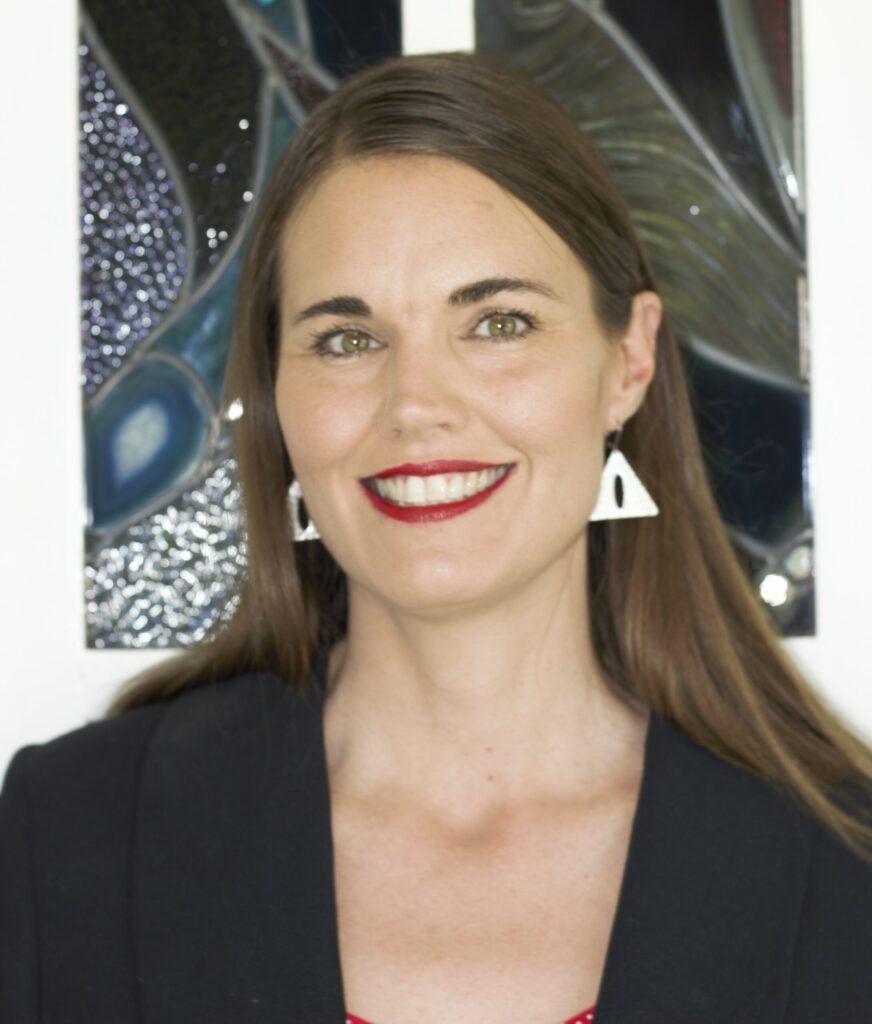
About Dr Mary-Anne Kate

Dr Mary-Anne Kate is an award-winning researcher and lecturer specialising in trauma, dissociation, and mental health. She is faculty lecturer in psychology at Southern Cross University since 2021, following two years teaching into the Master of Mental Health program. She developed and led units on psychological assessment and diagnosis and supervised a dozen Honours students on dissociation-related projects between 2023 and 2025, including five projects focused on neurodiversity, trauma, and dissociation.

A social scientist by training, Dr Kate’s research examines the prevalence and aetiology of dissociation, lived-experience barriers to identification and protection, and intersections between dissociation, neurodiversity, and mental health conditions. She is lead author of the Dissociative and Somatic Disorders chapter in the Australasian Wiley textbooks Abnormal Psychology and Psychopathology and created the Multidimensional Inventory of Dissociation – 60 item version (MID 60), a widely used measure of dissociative symptoms and disorders.

Dr Kate serves on the Scientific Committee of the International Society for the Study of Trauma and Dissociation (ISSTD), is secretary of the ISSTD Neurodevelopmental Disabilities Special Interest Group and teaches in the ISSTD international training program. Her work has been recognised with the ISSTD Morton Prince and David Caul Awards and the University of New England Chancellor’s Doctoral Research Medal. Before academia, she worked in strategic policy roles, including a diplomatic posting in Cairo and a consultancy with a European think tank advising the European Commission on migration and social inclusion.


About Dr Shalini Watson

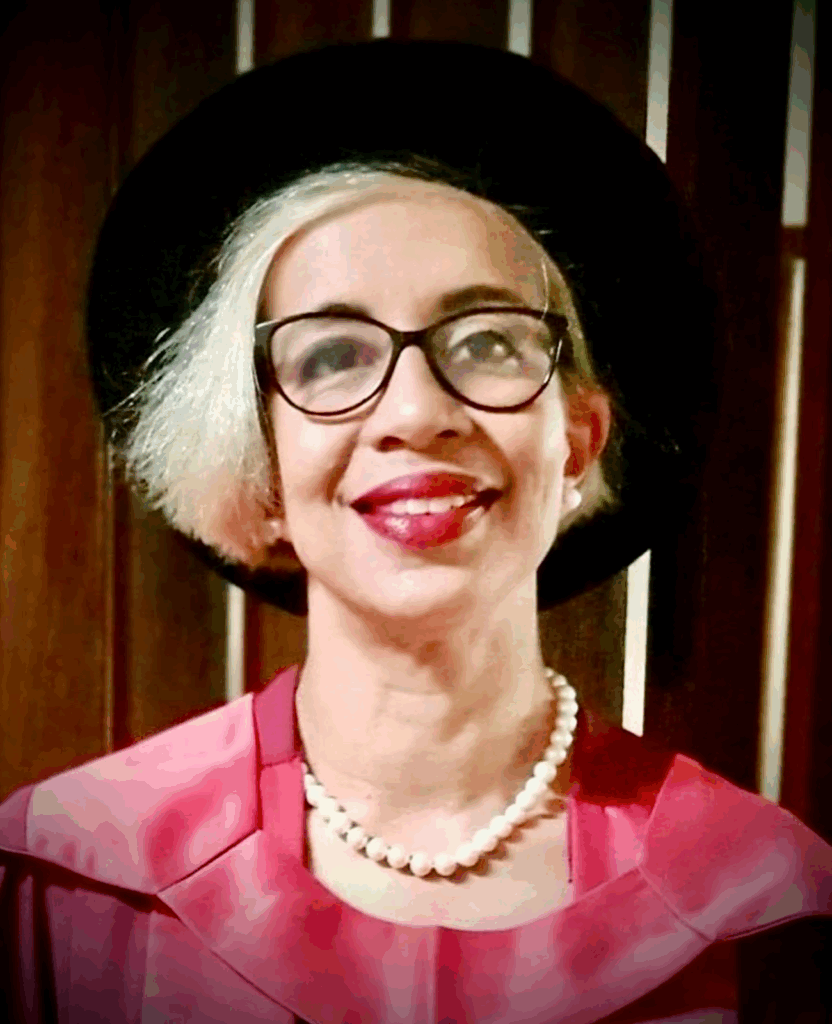
Dr Shalini Watson, PhD

Dr Shalini Watson is commencing a Master of Clinical Psychology program and holds a PhD in Educational and Instructional Technology from Murdoch University and brings over 12 years of experience supporting vulnerable and neurodivergent students in higher education at Australian universities. Her academic and advisory roles involved mentoring students with ADHD, dyslexia, and anxiety, and developing inclusive, trauma-informed learning environments. Her background in instructional design and educational psychology has shaped her interest in the cognitive and emotional mechanisms that link attention, trauma, and adaptation.

She has been awarded First Class Honours in Psychology at Southern Cross University under the supervision of Dr Mary-Anne Kate. Her thesis, “Triangulating Childhood Trauma, Dissociation, and ADHD in a Clinical Sample: Patterns, Pathways, and Clinical Overlaps,” analyses data from a large Australian clinical sample (N=1,409) to clarify diagnostic boundaries and improve dissociation screening for individuals presenting with ADHD symptoms. Her research sits at the intersection of trauma, neurodevelopment, and dissociative processes, with a focus on improving diagnostic accuracy and clinical care for underrepresented populations. She is a member of the International Society for the Study of Trauma and Dissociation and is committed to advancing trauma-informed, evidence-based practice in both clinical and educational contexts.

About Tenarra Campey

Tenarra Campey is commencing a Master of Professional Psychology and has an extensive background in community mental health and disability services. She currently works as a Behaviour Support Practitioner, where she conducts functional behaviour assessments and develops trauma-informed, person-centred support plans for clients with developmental disabilities and complex needs. Her previous leadership roles involved coordinating recovery and mental health programs, supervising multidisciplinary teams, and fostering resilience in communities affected by crisis. Tenarra also serves on the Australian Psychological Society’s Student Committee, reflecting her commitment to advancing inclusive, ethical, and evidence-informed practice within psychology.

Tenarra has completed an Honours degree in Psychological Science at Southern Cross University, where her research examines dissociation in high and low camouflaging clients with elevated autistic traits. Her work contributes to a growing understanding of how neurodiversity and dissociative processes intersect, particularly in individuals who mask or modify autistic traits in social contexts. Tenarra’s research is guided by an interest in the nuanced ways that trauma, identity, and adaptation shape psychological functioning.

About Mika Colbert

Mika Colbert is commencing a master’s program in psychology. She is a Therapy Assistant working with neurodivergent children and adolescents in a strongly neuro-affirming, trauma-aware practice.  In her clinical role, Mika spends most of her time “on the ground” with children, families, and groups, supporting social communication, emotional regulation, and a sense of safety and agency. She has been involved in delivering LEGO®-based groups, the Secret Agent Society program, and CBT-informed anxiety groups, and regularly contributes observations to multidisciplinary discussions and parent feedback sessions.

Mika has been awarded First Class Honours in Psychological Science at Southern Cross University, examining how trauma shapes gender differences in the presentation of autism. Mika’s work sits at the intersection of neurodiversity, trauma, and gender, and she is particularly interested in how clinical settings can better recognise masked or misunderstood autistic experiences in young people with complex histories. Across both research and practice, Mika brings a collaborative, curious, and child-centred lens, with a focus on making neurodiversity-affirming and trauma-informed ideas usable in everyday clinical work.


is commencing a master’s program in psychology. She is a Therapy Assistant working with neurodivergent children and adolescents in a strongly neuro-affirming, trauma-aware practice.  In her clinical role, Mika spends most of her time “on the ground” with children, families, and groups, supporting social communication, emotional regulation, and a sense of safety and agency. She has been involved in delivering LEGO®-based groups, the Secret Agent Society program, and CBT-informed anxiety groups, and regularly contributes observations to multidisciplinary discussions and parent feedback sessions.

Mika has been awarded First Class Honours in Psychological Science at Southern Cross University, examining how trauma shapes gender differences in the presentation of autism. Mika’s work sits at the intersection of neurodiversity, trauma, and gender, and she is particularly interested in how clinical settings can better recognise masked or misunderstood autistic experiences in young people with complex histories. Across both research and practice, Mika brings a collaborative, curious, and child-centred lens, with a focus on making neurodiversity-affirming and trauma-informed ideas usable in everyday clinical work.

Photo Credit: Jeff Gilbert / Alamy

“The most authentic thing about us is our capacity to create, to overcome, to endure, to transform, to love and to be greater than our suffering.”

– Ben Okri

Join our NETWORK

Get all latest news, event updates and access to resources & information.

Get information on

Student Registration

Fill in the form below to generate your student account, if you already have an account please contact Delpi Training & Consulting directly