“The expectation that we can be immersed in suffering and loss daily but not be touched by it is as unrealistic as expecting to be able to walk through water without getting wet” Rachel Naomi Ramen.
Mental and allied health professionals, lawyers, the judiciary, and corrective services staff intersect the lives of others at critical and often traumatic junctures. These professions are frequently indirectly exposed to trauma through listening to accounts of traumatic events, exposure to distressing images, reading police, psychological and medical reports and victim impact statements.
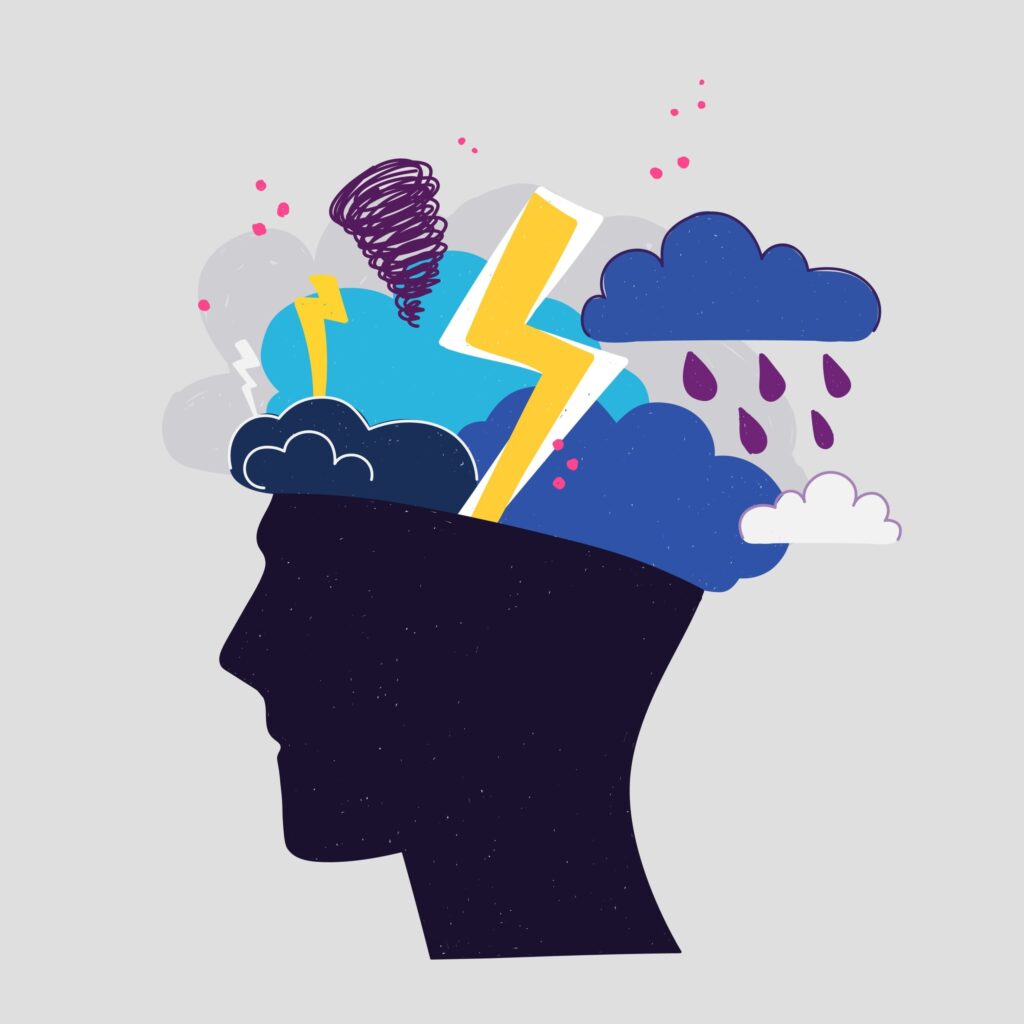
Moral injury is an invisible wounding of profound intrapsychic harm. It is imperative at-risk professions, and as a society we lift the veil of betrayal blindness, see these invisible wounds, assist those who are suffering and take measures to address the systemic failures that inflict and perpetuate MI.

Moral injury is not a weakness. Concern for the wellbeing and safety of others is central to human relationships. For all democracy’s failings, moral principles, ethics, values, rule of law and empathy for others are the foundations upon which civil society is built. Viktor Frankl said, “Everything can be taken from a man but one thing: the last of the human freedoms – to choose one’s attitude in any given circumstances, to choose one’s own way”. Moral injury is therefore, a consequence of humanness.

In this opinion piece I muse about the language of trauma, social media, quick fixes, and shortened attention spans, without reaching any great conclusion. But, I suggest the issues discussed here are important for us to reflect upon, as trauma therapists, lawyers, human resources managers, magistrates, judges and as human beings doing our best to relate to each other in meaningful ways. So, I invite you to come along for the ride anyway.

In July 2026, a man sentenced to 21 years jail for sexually abusing his two daughters when they were children, was granted leave to appeal his sentence handed down in December 2024 in the Newcastle District Court. The grounds of the appeal were that one of his daughters who has a diagnosis of DID had different Parts of her personality system individually sworn in to give evidence. The appeal argues that these Parts are not recognised by law and their swearing in should not have been allowed.