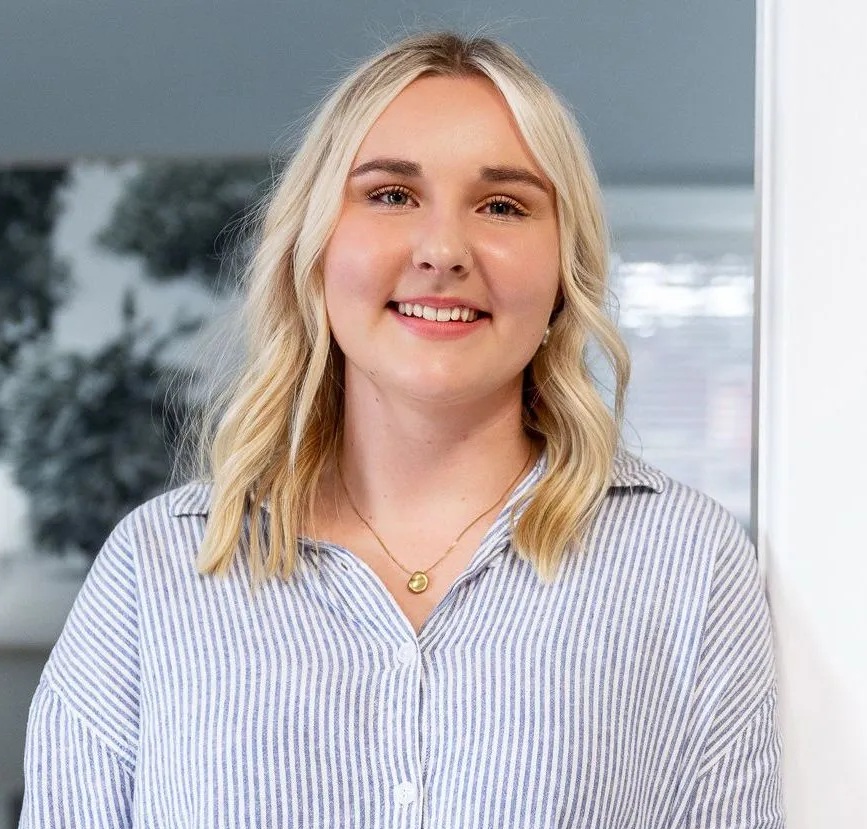
Mika Colbert is commencing a master’s program in psychology. She is a Therapy Assistant working with neurodivergent children and adolescents in a strongly neuro-affirming, trauma-aware practice. In her clinical role, Mika spends most of her time “on the ground” with children, families, and groups, supporting social communication, emotional regulation, and a sense of safety and agency. She has been involved in delivering LEGO®-based groups, the Secret Agent Society program, and CBT-informed anxiety groups, and regularly contributes observations to multidisciplinary discussions and parent feedback sessions.
Mika has been awarded First Class Honours in Psychological Science at Southern Cross University, examining how trauma shapes gender differences in the presentation of autism. Mika’s work sits at the intersection of neurodiversity, trauma, and gender, and she is particularly interested in how clinical settings can better recognise masked or misunderstood autistic experiences in young people with complex histories. Across both research and practice, Mika brings a collaborative, curious, and child-centred lens, with a focus on making neurodiversity-affirming and trauma-informed ideas usable in everyday clinical work.
is commencing a master’s program in psychology. She is a Therapy Assistant working with neurodivergent children and adolescents in a strongly neuro-affirming, trauma-aware practice. In her clinical role, Mika spends most of her time “on the ground” with children, families, and groups, supporting social communication, emotional regulation, and a sense of safety and agency. She has been involved in delivering LEGO®-based groups, the Secret Agent Society program, and CBT-informed anxiety groups, and regularly contributes observations to multidisciplinary discussions and parent feedback sessions.
Mika has been awarded First Class Honours in Psychological Science at Southern Cross University, examining how trauma shapes gender differences in the presentation of autism. Mika’s work sits at the intersection of neurodiversity, trauma, and gender, and she is particularly interested in how clinical settings can better recognise masked or misunderstood autistic experiences in young people with complex histories. Across both research and practice, Mika brings a collaborative, curious, and child-centred lens, with a focus on making neurodiversity-affirming and trauma-informed ideas usable in everyday clinical work.